Cosmetic peptide supplier for skincare brands
Short answerInternational Wholesale Peptides is a trade-only cosmetic peptide supplier. It sells topical peptide actives such as copper tripeptide-1, palmitoyl pentapeptide-4, acetyl hexapeptide-8 and acetyl octapeptide-3 to brands and formulators, with a certificate of analysis per lot. The brand remains responsible for product safety, claims and regulatory filings.
- Product class
- Topical cosmetic peptide actives and private-label finished goods
- Sold by
- INCI name, with CAS number where assigned
- Per-lot documents
- Certificate of analysis naming the testing laboratory
- Entry
- Evaluation order of stock-list items from US$2,500, once per account
- Private label
- Typically from 250 units for cosmetics; 4 to 6 weeks from approved artwork
- US framework
- MoCRA: facility registration and product listing
International Wholesale Peptides (IWP) is a trade-only cosmetic peptide supplier for skincare brands, contract formulators and ingredient distributors. Cosmetic peptide actives are topical ingredients, sold by INCI name with a certificate of analysis for each lot. The brand that places the finished product on the market is responsible for its safety, claims and filings.
Who this page is for
This page is for companies that formulate or sell cosmetics: skincare and hair care brands, contract manufacturers buying on a brand's behalf, and distributors of cosmetic ingredients. It also suits a regulatory or quality manager who has to assemble an ingredient file. We do not sell to individuals or to home formulators.
What a cosmetic peptide supplier sells
Cosmetic peptides are short synthetic peptides used in leave-on and rinse-off formulations. They are identified by INCI name on the finished product label.
| INCI name | Commonly known as | What it is |
|---|---|---|
| Copper Tripeptide-1 | GHK-Cu | Copper(II) complex of the tripeptide glycyl-histidyl-lysine. Blue powder |
| Palmitoyl Pentapeptide-4 | Matrixyl | A five-residue peptide with an N-terminal palmitoyl chain. A lipopeptide |
| Acetyl Hexapeptide-8 | Argireline | A six-residue peptide with an N-terminal acetyl group and a C-terminal amide |
| Acetyl Octapeptide-3 | Snap-8 | An eight-residue peptide, an extended analog of acetyl hexapeptide-8 |
The common names are widely used in the trade. We sell by INCI name, and the certificate identifies each lot by sequence, mass and CAS number where one is assigned.
What you can buy
| Product class | Typical pack | Documents with each lot |
|---|---|---|
| Cosmetic peptide actives | Sealed containers of powder, pack size set on the quote | Certificate of analysis, INCI name, salt form, peptide content, origin statement |
| Private-label finished goods | Topical products in jars or bottles under the brand's label | Certificate of analysis for the peptide active, ingredient list, origin statement |
Full specifications are on the cosmetic peptide actives page.
What a formulator should check on each lot
Peptide content, not only purity. HPLC purity describes peptide-related material. Peptide content describes the powder. The balance is counter-ion and water. Calculate inclusion levels from peptide content so that two lots give the same level of active in the finished batch.
Counter-ion. Synthetic peptides are isolated as salts, commonly acetate or trifluoroacetate. The certificate states the salt form. A formulator's safety assessor will usually ask which one is present.
Solubility class. Acetylated peptides such as acetyl hexapeptide-8 dissolve readily in water. Palmitoylated peptides are amphiphilic and often need a glycol or a surfactant phase to disperse evenly. Plan the addition step to match.
Compatibility. Copper tripeptide-1 is a metal complex. Strong chelating agents and low pH can strip the copper from the peptide, which changes the color of the batch and the species present. Check the chelator system and the final pH early in development.
Heat. Peptides are normally added in the cool-down phase. Prolonged heat at pH extremes promotes hydrolysis and deamidation.
The lawful route for a cosmetic brand
A cosmetic is regulated by what it is and by what is said about it. The peptide is an ingredient. The finished product and its claims belong to the brand.
| Market | Framework, as of November 2026 | What the brand arranges |
|---|---|---|
| United States | Federal Food, Drug, and Cosmetic Act as amended by MoCRA | A responsible person, facility registration, product listing, safety substantiation and adverse event records |
| European Union | Regulation (EC) 1223/2009 | A Responsible Person established in the EU, a product information file with a safety report, and notification before sale |
| Other countries | National cosmetics law | Local notification or registration, and an importer where required |
Two limits apply everywhere. First, a product promoted with claims to affect the structure or function of the body, or to address a disease, may be regulated as a drug or medicine. Second, an ingredient certificate does not substantiate a finished product claim. We supply specifications and lot documents for the brand's file. We do not supply marketing claims.
Outside the United States we ship only where a lawful route exists for the product and the buyer, and we confirm it in writing before taking an order. Supply is worldwide on that basis. Every country is assessed on request, and where a market restricts a product class the route is assessed case by case. Brands should confirm current requirements with their regulator, Responsible Person or counsel.
How cosmetic brand accounts work
The path is apply, business verification, quote, order. There are no public prices.
- Evaluation order: stock-list items from US$2,500, once per account. Suited to development quantities.
- Production orders: made-to-order product from US$10,000 on a first order. Price is set by order value in four bands: under US$10,000; US$10,000 to US$20,000; US$20,000 to US$30,000; and US$30,000 and over, which carries the lowest price.
- Supply program: accounts in the top band can agree a forward schedule with reserved capacity and reserved lots.
Every order is prepaid by bank wire or ACH. Stock-list items leave in 2 to 5 business days, and most product is made to order in about 3 weeks. Private-label finished goods take 4 to 6 weeks from approved artwork on a first order. A reserved lot is useful in cosmetics because the brand's safety file references an ingredient specification, and one lot across a production run keeps batch records simple.
What we need from a cosmetic brand at application
| Item | Why we ask |
|---|---|
| Legal entity name, registration number and registered address | To verify the business |
| Role: brand owner, contract manufacturer or ingredient distributor | To match documents to the party that needs them |
| Actives required, by INCI name, and expected annual quantity | To quote and plan lots |
| Countries of sale | To confirm the route in writing |
| Responsible person or Responsible Person details, where already appointed | To direct specification requests correctly |
| Delivery address of the manufacturing site | To ship to the facility that will use the ingredient |
Apply through the application page. Each lot's certificate of analysis can be checked against its lot number on this site.
Frequently asked questions
Which cosmetic peptides do you supply?
The cosmetic range includes copper tripeptide-1 (GHK-Cu), palmitoyl pentapeptide-4, acetyl hexapeptide-8 and acetyl octapeptide-3. They are sold by INCI name as topical ingredients for brands and formulators. Availability by item, product line and pack size is confirmed on the quote after business verification.
Who is responsible for claims on a cosmetic product made with your peptides?
The brand. The company that places the cosmetic on the market is responsible for its safety, labeling and claims. We supply the ingredient and its lot documents. We do not supply efficacy claims, and an ingredient certificate is not substantiation for a finished product claim.
Do cosmetic peptides need FDA approval in the United States?
As of November 2026, cosmetics and most cosmetic ingredients do not require FDA premarket approval. Under MoCRA, the responsible person must list products and keep safety substantiation, and manufacturing facilities must register. A product marketed with drug claims can be regulated as a drug. Brands should confirm details with counsel.
What does a brand need to sell in the European Union?
Under Regulation (EC) 1223/2009, each cosmetic needs a Responsible Person established in the EU, a product information file with a safety report, and notification through the Cosmetic Products Notification Portal before it is placed on the market. The Responsible Person will ask for ingredient specifications and certificates.
Is the peptide content of a cosmetic active the same as its purity?
No. Purity by HPLC covers peptide-related material only. Peptide content is the fraction of the powder that is peptide after counter-ion and water are accounted for. A formulator should use peptide content when calculating the inclusion level of the active in a batch.
Can you make a finished cosmetic under our label?
Private-label finished goods take 4 to 6 weeks from approved artwork on a first order. The minimum is stated on the quote and is typically 250 units for cosmetics. The brand remains the party that places the product on the market and is responsible for its regulatory filings in each country of sale.
Related pages
Cosmetic peptide actives wholesaleInternational Wholesale Peptides sells cosmetic peptide actives wholesale to brands, contract manufacturers and ingredient distributors. Actives such as copper tripeptide-1, palmitoyl pentapeptide-4, acetyl hexapeptide-8… GHK-Cu wholesale specification sheetGHK-Cu wholesale supply from International Wholesale Peptides is trade only. It is supplied as research-grade lyophilized vials and as cosmetic active powder to verified…Matrixyl wholesale specification sheetMatrixyl wholesale supply from International Wholesale Peptides is trade only. Palmitoyl pentapeptide-4 is supplied to verified cosmetic brands as a powder or solution, with…
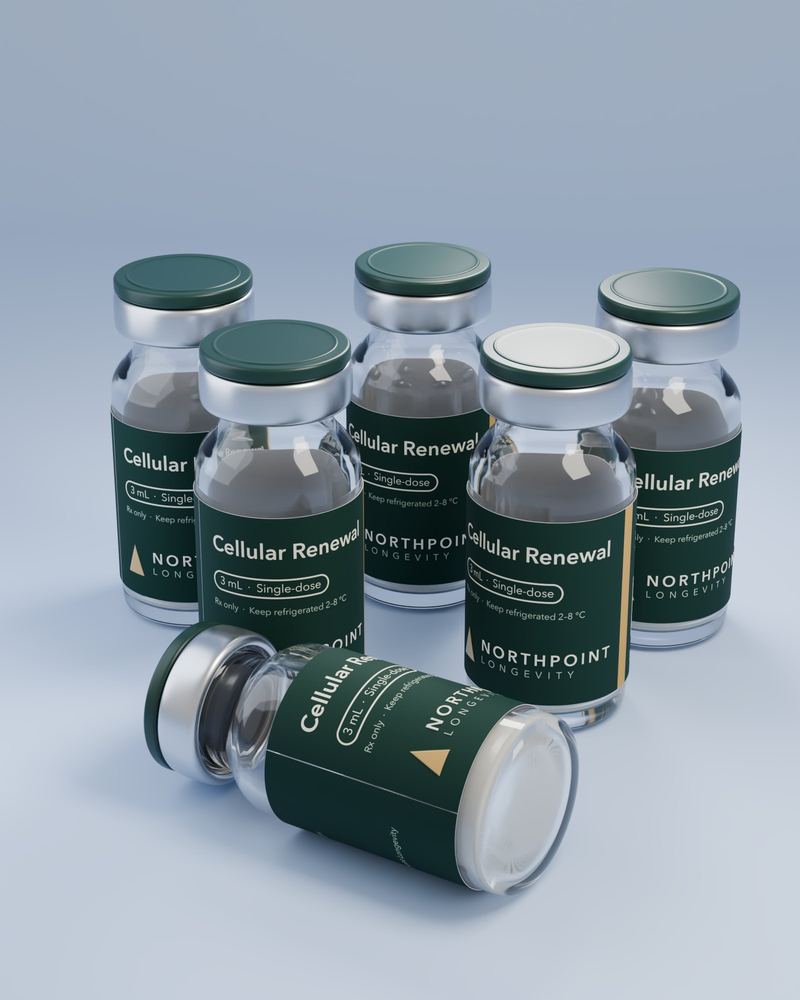 Private label peptides for verified brandsPrivate label peptides are finished goods produced under a brand's own label. International Wholesale Peptides sets the minimum by format on the quote, typically…